The Fight for Veterans Exposed to Burn Pits
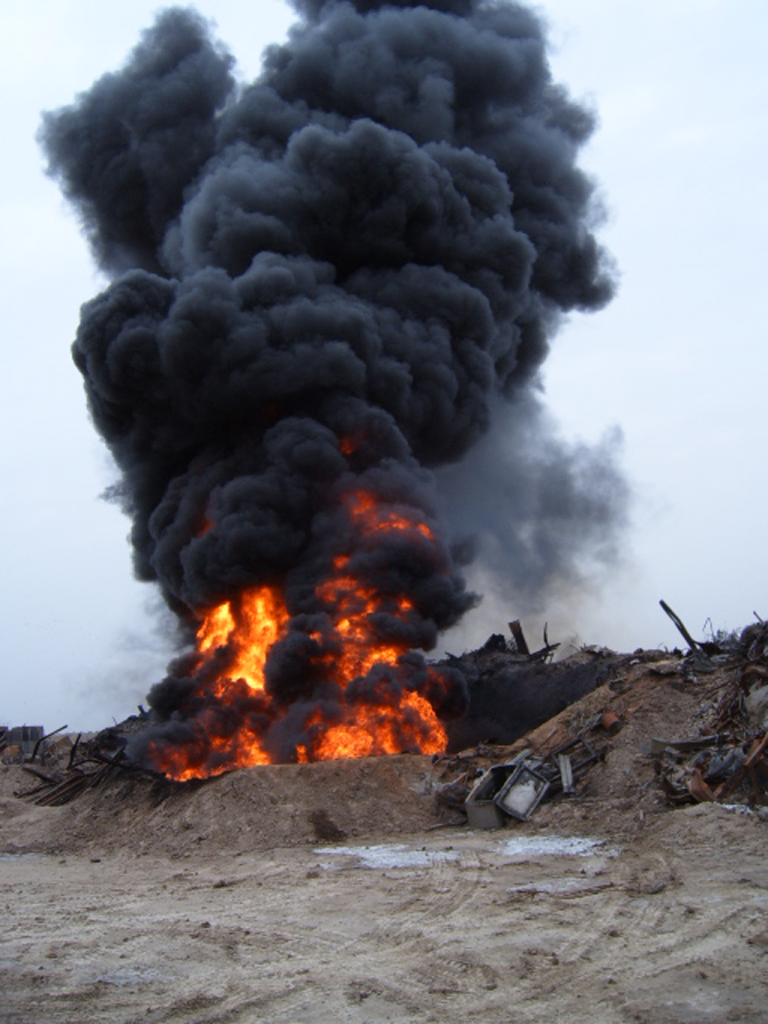
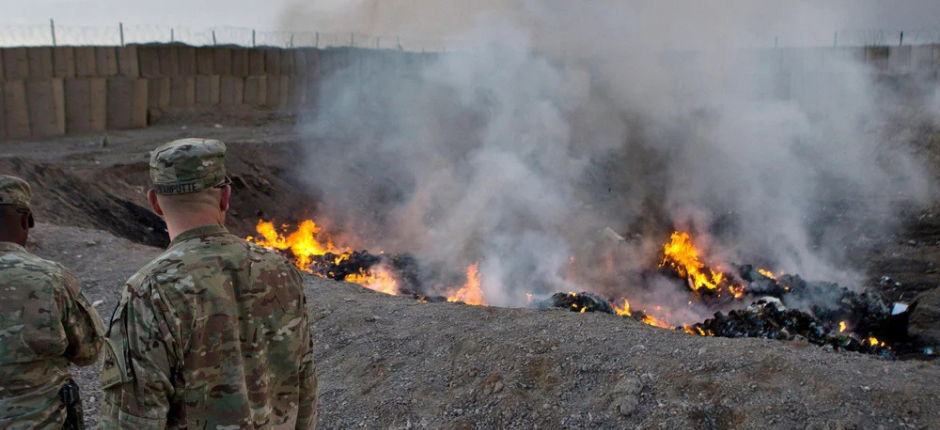
For years, service members deployed to Iraq, Afghanistan, and surrounding regions were exposed to open-air burn pits used to dispose of waste, chemicals, plastics, and other hazardous materials.
Many veterans later developed respiratory diseases, cancers, and chronic illnesses — only to face denials when seeking VA disability compensation.
The law has changed. But the process remains complex.
Military-Veterans Advocacy is committed to ensuring that veterans understand their rights and have access to the resources needed to pursue the benefits they earned.
What Changed: The PACT Act
In August 2022, Congress passed the Sergeant First Class Heath Robinson Honoring Our Promise to Address Comprehensive Toxics (PACT) Act.
The PACT Act created presumptive service connection for numerous burn pit-related conditions.
This means:
If a veteran:
- Has a qualifying period of service, and
- Is diagnosed with one of the listed conditions
The VA must presume the condition is related to service.
Presumptive Burn Pit Conditions Include:
- Asthma (diagnosed after service)
- Chronic bronchitis
- Chronic rhinitis
- Chronic sinusitis
- COPD
- Emphysema
- Interstitial lung disease
- Pulmonary fibrosis
- Sarcoidosis
- Brain cancer
- Gastrointestinal cancer
- Head, neck, kidney, pancreatic, reproductive cancers
- Melanoma
- Lymphoma
- Respiratory cancers
(Full list provided in the self-help guides below.)
On or after August 2, 1990:
- Iraq
- Kuwait
- Saudi Arabia
- Bahrain
- Qatar
- UAE
- Oman
- Somalia
- Persian Gulf region
- Gulf of Oman
- Arabian Sea
- Red Sea
On or after September 11, 2001:
- Afghanistan
- Djibouti
- Egypt
- Jordan
- Lebanon
- Syria
- Yemen
- Uzbekistan
If You Were Previously Denied
Thousands of veterans were denied service connection before the PACT Act became law.
If you were previously denied for a condition that is now presumptive:
You may be eligible to file a Supplemental Claim (VA Form 20-0995) or request a Higher-Level Review (VA Form 20-0996) depending on the timing of your prior denial.
The law provides potential retroactive benefits — but deadlines can affect how much compensation you receive.
Filing an Initial Claim
If you have never filed a claim for a burn pit-related condition:
You may file an Intent to File (VA Form 21-0966) to protect your effective date.
Then submit an Initial Claim (VA Form 21-526EZ).
If your condition is not on the presumptive list, you may still qualify — but you will likely need a medical opinion linking your illness to burn pit exposure.
Free Self-Help Resources
We encourage veterans to review the following detailed guides prepared by the National Veterans Legal Services Program (NVLSP).
These guides explain: Which forms to use • How to preserve retroactive benefits • How to file intent to file • How to request Higher-Level Review • What evidence is required • What to do if VA denies your claim again
Burn Pits Claims Assistance Program Overview
Self-Help Guide: Filing an Initial Burn Pit Claim
Self-Help Guide: If VA Previously Denied Your Burn Pit Claim
Our Role
Military-Veterans Advocacy works to:
Protect statutory rights
Monitor implementation of the PACT Act
Challenge improper VA denials
Support systemic reform through litigation and legislation
We encourage veterans to seek accredited representation when pursuing complex claims.
Take Action
If you believe your medical condition is related to burn pit exposure:
Review the guides above
Consider filing an Intent to File to protect your effective date
Seek assistance from a VSO or accredited representative
Do not delay — deadlines affect retroactive benefits