PACT Act & Toxic Exposure
Legislative Advocacy
Military-Veterans Advocacy works with Members of Congress, congressional committees, and policy leaders to strengthen federal laws addressing toxic exposure affecting veterans.
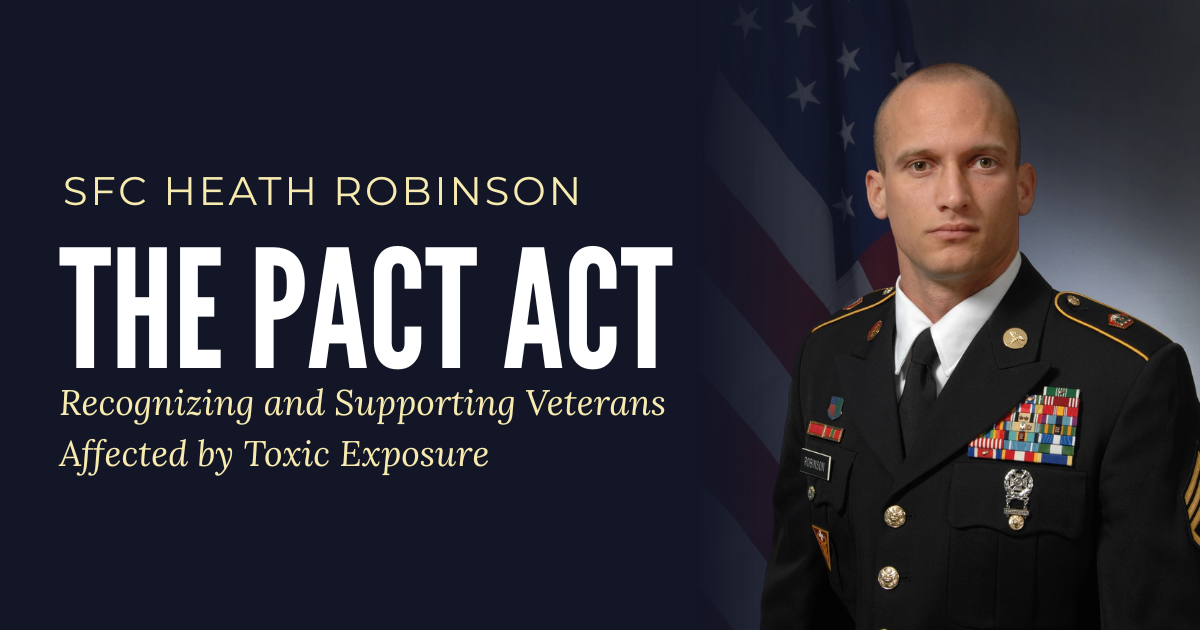
The Sergeant First Class Heath Robinson Honoring our Promise to Address Comprehensive Toxics (PACT) Act of 2022 represents one of the most significant legislative expansions of benefits and health care access for veterans exposed to environmental hazards during military service.
While the PACT Act marked major progress, continued legislative oversight and additional reforms remain necessary to ensure all affected veterans receive fair recognition and access to benefits.
Why Toxic Exposure Legislation Matters
For decades, many veterans exposed to toxic substances during military service were required to prove both their exposure and the connection between their service and resulting health conditions.
This burden often prevented veterans from receiving the benefits and care they had earned. Legislative action has been essential in establishing presumptions of exposure and service connection, allowing veterans to access disability compensation and medical treatment without impossible evidentiary requirements.
Military-Veterans Advocacy continues working with lawmakers to expand recognition of toxic exposure and correct gaps in current law.
The PACT Act of 2022
The PACT Act significantly expanded federal recognition of toxic exposure affecting veterans from multiple service eras.
Key provisions include:
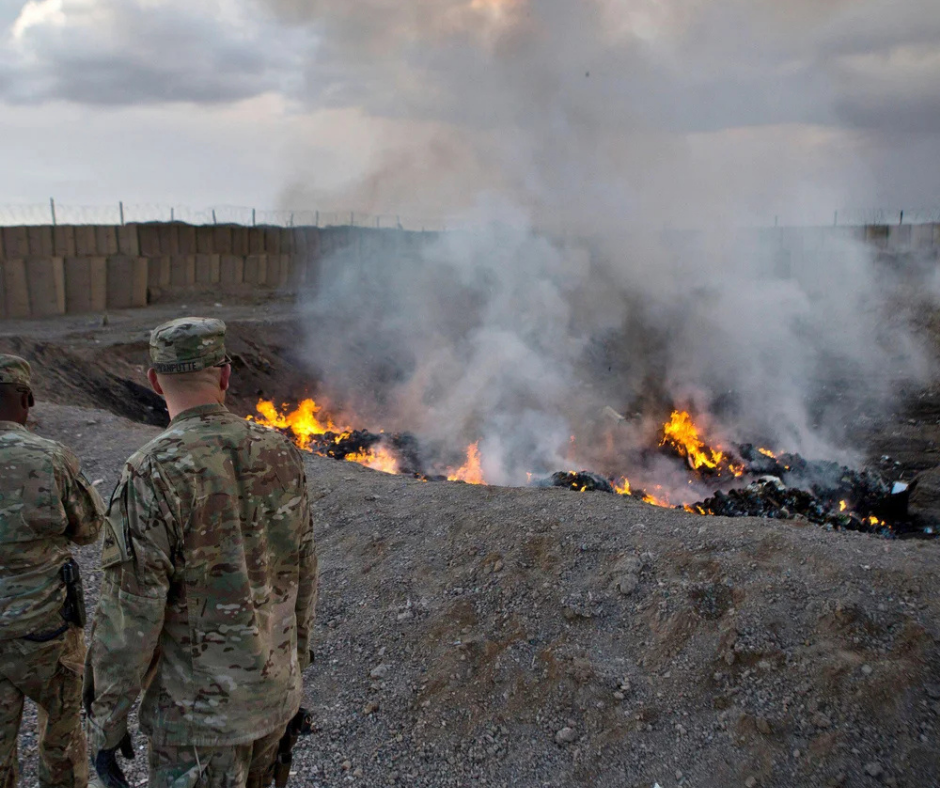
• Expanded presumptions for veterans exposed to burn pits and airborne hazards
• Recognition of additional qualifying service locations
• Expanded access to VA health care for toxic-exposed veterans
• New presumptive conditions linked to toxic exposure
The law represents one of the largest expansions of veterans’ benefits in recent decades and continues to shape how toxic exposure claims are evaluated.
Continuing Legislative Priorities
Despite the progress made through the PACT Act, several areas still require legislative attention.
Military-Veterans Advocacy continues to support policies that:
• Expand recognition of toxic exposure in locations not yet fully covered by federal law
• Improve implementation and oversight of toxic exposure presumptions
• Strengthen transparency in VA rulemaking affecting exposed veterans
• Ensure fair and timely processing of toxic exposure claims
MVA leadership regularly meets with Members of Congress and congressional staff in Washington, D.C. to advocate for these reforms.
Protecting Military Families
In many cases, military dependents lived alongside service members in areas where toxic exposure occurred.
While veterans may receive presumptive recognition and benefits, dependents who lived in the same environment often receive no medical assistance despite experiencing the same exposures.
Military-Veterans Advocacy supports legislation that would provide health care access for dependents harmed by toxic exposure while accompanying service members at affected installations.
Legislative Resources
Military-Veterans Advocacy provides legislative analysis, testimony, and policy resources related to toxic exposure legislation.
• PACT Act Survivor Benefits Fact Sheet (VA)
• PACT Act FAQ and Fact Sheet (VA)