
Blue Water Navy Litigation
Offshore Service and Toxic Exposure
For many years, veterans who served aboard U.S. Navy vessels operating offshore during the Vietnam War faced significant barriers when seeking recognition for herbicide exposure.
While veterans who served on land or in inland waterways were presumed to have been exposed to Agent Orange, many sailors who served on ships operating in the waters off the coast of Vietnam were excluded from this presumption.
These veterans became known as “Blue Water Navy” veterans.
Military-Veterans Advocacy has been involved in legal and policy efforts addressing the recognition of offshore service and the impact of toxic exposure on naval personnel.

The Legal Dispute
The core legal issue affecting Blue Water Navy veterans involved how the Department of Veterans Affairs interpreted the geographic boundaries of Vietnam for purposes of exposure recognition.
For many years, the VA limited the presumption of herbicide exposure to veterans who served:
- on the landmass of Vietnam, or
- within inland waterways.
Veterans who served aboard ships operating offshore were often denied benefits unless they could prove direct exposure.
This interpretation led to years of legal challenges and advocacy efforts seeking recognition of offshore service environments.
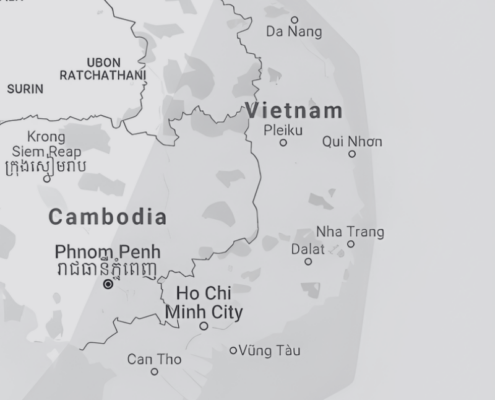
The Territorial Sea Standard
Federal law recognizes a nation’s territorial sea as extending 12 nautical miles from its coastline.
This geographic standard became central to the legal debate regarding whether naval vessels operating within that boundary should qualify for the same presumption of exposure as veterans who served on land.
Research involving ship records, deck logs, and historical naval operations played an important role in examining how close naval vessels operated to the Vietnamese coastline during the war.

Legislative Resolution
In 2019, Congress passed the Blue Water Navy Vietnam Veterans Act, which extended the presumption of herbicide exposure to veterans who served within the 12-nautical-mile territorial sea of Vietnam during the Vietnam War.
This legislation significantly expanded eligibility for benefits for many veterans who served aboard naval vessels operating offshore.
More information about the legislative history of Blue Water Navy recognition can be found on the Blue Water Navy legislation page.